
As a travel advisor and full-time traveler, the quest for a “local” experience is always top of mind.
I often hear travelers say, “I want to have a local experience.”
While well-intentioned, you want to know how the locals live, where they eat, and get an insider perspective to “live like a local” for a more genuine and immersive experience. And I’m right there with you.
However, I don’t pretend that I can live like a local when I travel. I’m not a local (yet), even when I spend several months in one place.
But at what point does someone become a local?
Look, I travel full-time via housesitting. With housesitting, I spend several months living in a place, being a conscious observer, hearing the perspectives of both locals and visitors. Is a local the person who grew up here and has seen the city evolve? Is it the immigrant who learned the language, built a community, and integrated into cultural norms and routines?
I returned to a few places again and again, and built friendships that outlasted my visas. And I realized something both humbling and freeing:
“Local” isn’t a look or a checklist. It’s a deep relationship with a place, and with the people who live there full-time.
As a full-time traveler and travel advisor who prioritizes responsible travel, I’ve learned to replace the question “How do I feel like a local?” with a better one:
“How do I show up in a way that respects the people whose home this is?”
3 Key Takeaways:
- 1) Being a local is earned over time through relationships, responsibility, and participation—not purchases or aesthetics.
- 2) “Expat” and “immigrant” often describe similar realities; the difference is frequently power, privilege, and perception.
- 3) The most genuine experiences come from showing up consistently, contributing, and letting the destination change you, not extracting stories from it.
If you click on my affiliate links, I may make a tiny commission to support my blog. Most of the time, you will receive an offer. Win/Win! The products that I advertise are the ones I believe in.
The uncomfortable truth: how long does it take to be a local?
If you’re asking for a number, here’s the honest answer: it depends, and you don’t get to decide alone. “Local” is a label other people grant you, often quietly, after they’ve watched you show up consistently.
From what I’ve seen across countries and communities, “local” tends to require some combination of:
- Time: not days, not a long weekend, often not even a month. Think seasons, not itineraries.
- Commitment: staying long enough to deal with the non-glamorous parts of life, bureaucracy, dentist appointments, rainy days, setbacks.
- Relationships: real ones, not transactional ones. People who would still call you back if you weren’t “interesting.”
- Reciprocity: giving back in ways that matter locally, not just in ways that feel good to you.
You can learn the bus system in a week. You can learn the language basics in a month. But belonging—real belonging—often takes years, and sometimes it never fully happens. And that’s okay. We all want a sense of belonging; that’s human, but that is what travel also teaches us: to sit in space and time where we may not instantly belong. It takes patience (with ourselves and others), confidence, and curiosity to chip away and get to the meat of connection to people and places.
Because here’s the thing: you don’t need to be a local to have a meaningful experience. You need to be a respectful guest. Observe, listen, and learn local customs. If you’re wondering where to connect with locals or community events, drop me a line.
What actually makes someone a local?
We throw the word “local” around like it means “someone who knows the hidden bars.” But “local” is usually closer to:
Someone who has responsibilities here. Someone who is accountable here. Someone whose life is entangled with this place. The social pressures, economic responsibilities, the struggles.
Locals vote (where applicable). They pay taxes. They show up when a neighbor needs help. They know which issues are sensitive and why. They can’t “opt out” when a trend makes the place harder to live in.
That accountability is what most travelers (myself included) don’t have, even when we stay for months.
So instead of trying to claim local-ness, I aim for something more ethical and more achievable:
connection without performance.
“Local experiences” vs. real local life
We throw the word “local” around like it means “someone who knows the hidden bars.” But “local” is usually closer to:
A lot of tourism marketing sells “local experiences” as a product: cooking class in someone’s home, street food tour, artisan workshop, market walk with a guide.
Some of these are wonderful; I strongly recommend them to my clients as it’s a great way to connect with the people and culture. Some meaningfully support local families and preserve tradition. And some are… let’s call them local-themed entertainment designed to meet visitor expectations.
As a travel advisor, I don’t automatically dismiss curated experiences, especially when they:
- pay fairly
- credit culture accurately
- avoid exploitation (especially of children and marginalized communities)
- and are led by people with real authority to share what’s being shared
But I also encourage travelers to remember:
Local life isn’t an attraction.
It’s people commuting, caregiving, grieving, working second jobs, celebrating birthdays, worrying about rent, navigating politics, and trying to live.
If your “local experience” depends on people performing their everyday existence for your consumption, it may not be as genuine. Meet locals, talk to them, share experiences, as shared and lived experiences are what connect us as humans. Here are some ways to engage with the local community and community-led activities.
Expat vs. immigrant: the nuance we need to stop skipping
Let’s talk about the word “expat.”
In many places, “expat” is used for someone who moves abroad, usually with some level of financial cushion or international mobility. “Immigrant” is used for someone who moves for work, survival, family, or safety and is often treated as a political problem rather than a lifestyle choice.
But here’s the uncomfortable overlap:
Sometimes an expat is simply an immigrant.
The difference in labels often reflects power and perception, not the reality of “living in a country that isn’t your birthplace.”
Responsible travel (and responsible long-term travel) means being honest about where we sit in that system:
- Do we have passports that open doors easily?
- Can we leave if things get uncomfortable?
- Are we benefiting from currency differences in ways that impact housing or local prices?
- Are we calling ourselves “expats” to distance ourselves from the stigma immigrants face?
I’m not interested in guilt as a travel strategy. I’m interested in clarity, because clarity changes behavior.
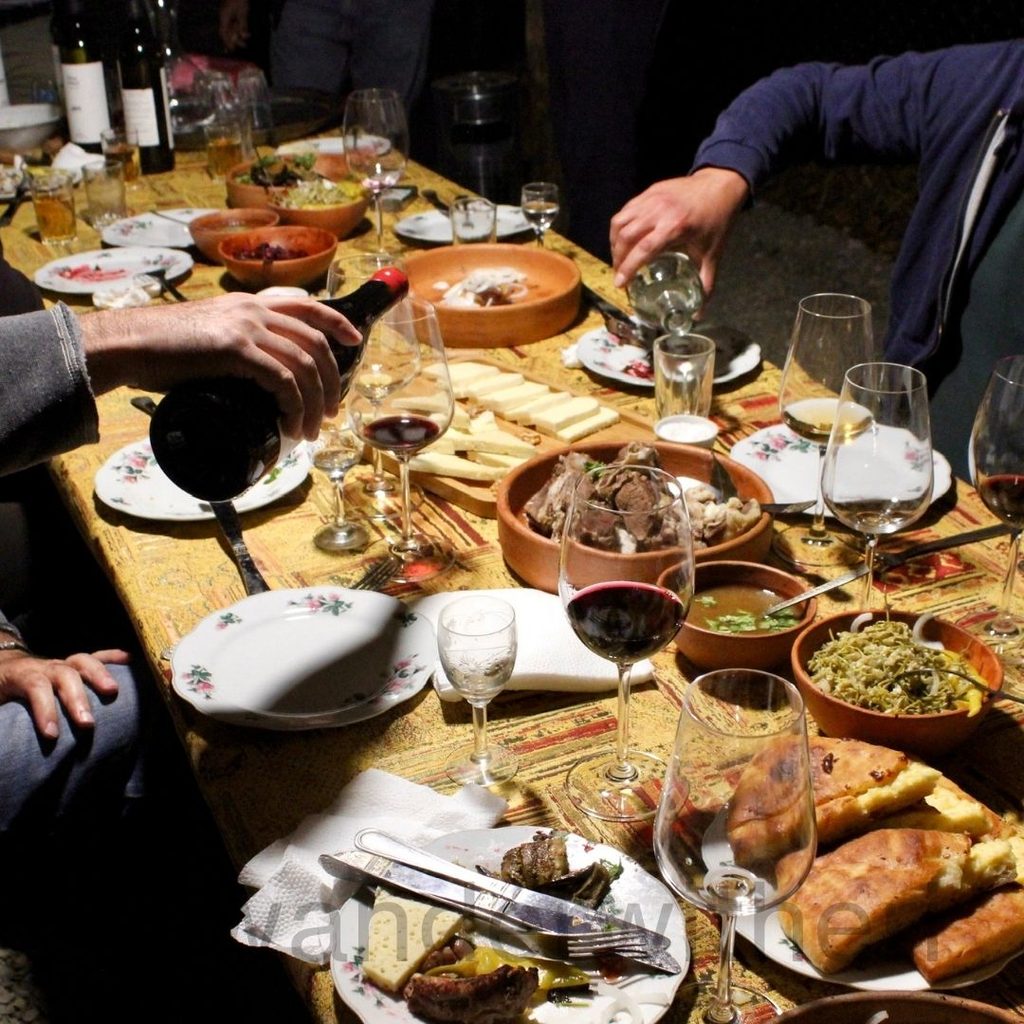
So how do you experience a destination with genuine connection (without pretending you belong)?
Here’s what I recommend: both as a traveler and as someone who plans travel for others, when you want depth, not just “cool.”
1) Choose fewer places, stay longer (even if you see less)
If you want connection, you need repetition: the same café owner seeing you again, the same street at different times of day, the same neighborhood in different weather.
Depth often looks like “boring” from the outside, and that’s how you know you’re getting closer to real life. Read more in my blog on Slow Travel.
2) Be a regular somewhere without demanding intimacy
- Pick one or two small routines:
- one breakfast spot
- one evening walk
- one local class (language, pottery, dance, yoga)
- one volunteer opportunity vetted carefully (and not orphanage tourism—ever)
- Then show up quietly. Tip fairly. Learn names if people offer them. Don’t treat familiarity like entitlement. Read more in my blog on Essential Mental Health Practices for Long-term Travelers.
3) Learn the “do no harm” basics before you arrive
Responsible travel isn’t just carbon offsets. It’s:
- understanding cultural norms (especially around dress, photos, and sacred sites)
- avoiding wildlife interactions that harm animals
- choosing locally owned businesses where possible
- not participating in experiences that exploit poverty or stereotypes
If you want the privilege of closeness, earn it by doing your homework (or working with me!).
4) Pay attention to who benefits from your choices
A “local” experience isn’t responsible if the community doesn’t benefit.
When you book:
- Who owns the company?
- Who sets the narrative?
- Who is being photographed, and who profits?
- Are workers paid fairly, or is it cheap because someone else is absorbing the cost?
5) Ask better questions than “Where do locals go?”
That question can accidentally put people in an awkward position, like they’re responsible for giving you access to “real life.”
Try:
- “What do you wish visitors understood about living here?”
- “Is there a small business you love that could use more support?”
- “Is there anywhere visitors should avoid because it’s become overwhelmed?”
- “What’s something people get wrong about this place online?”
Those questions create respect, not extraction.
5) Ask better questions than “Where do locals go?”
Sometimes the most genuine thing a destination offers is privacy. Not every community wants travelers woven into daily life. Not every person wants to be your cultural ambassador.
Connection is mutual. If it’s one-sided, it isn’t connection; it’s consumption.
My personal definition (for now)
After years of moving through places I love, I’ve landed on a definition that keeps me grounded:
A local is someone who is accountable to a place even when it’s inconvenient.
A responsible traveler is someone who acts with care even when no one is watching.
I don’t need to claim “local” to travel deeply. I need to show up with humility, contribute when I can, spend money thoughtfully, and remember that my freedom to roam is built on privileges not everyone has.
And if, over time, a place starts to feel like it recognizes me back, if I’m welcomed not as an audience member, but as a participant, that’s not something I can buy.
It’s something I can only earn.
Let’s Connect
- 📱 Social Media: Follow along on Instagram @wanderwitheri for daily travel inspiration and tips, or subscribe to my newsletter!